News BPM

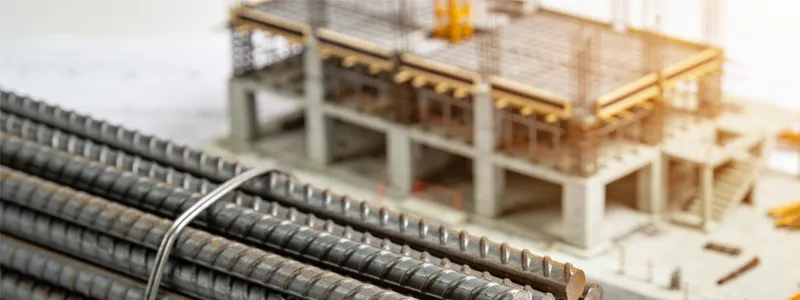
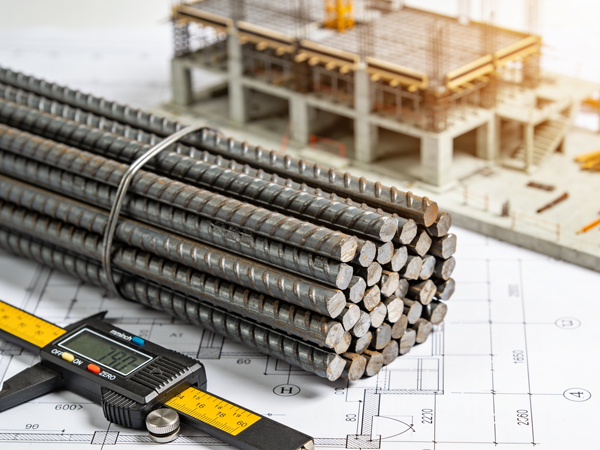
Rebar Weight: How to Calculate It and Convert Tonnes to Metres
Rebar is designed in metres but sold and shipped by the tonne, so converting between the two comes up on almost every purchase. Get the maths wrong and the site ends up with surplus steel or, on the contrary, not enough to finish the pour. The weight per metre for every diameter is listed on the “Rebar” category page; here we look at how the mass is calculated, how to convert tonnes into metres and bars, and how to be confident in the quality of the steel.
Read more
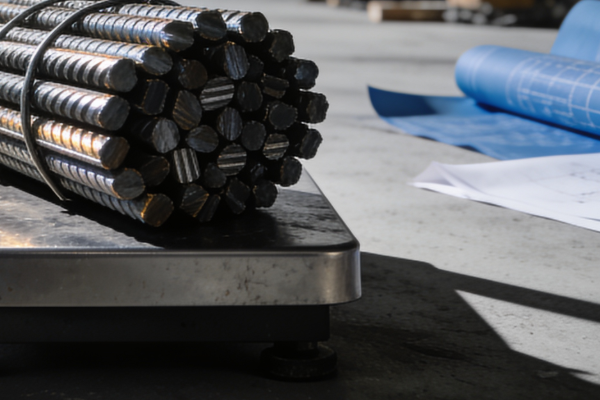
How Not to Overpay for Steel: Weight, Tolerances and Inspection at Delivery
Steel is sold by weight, and weight depends directly on the dimensions of the product, which do not always match what is declared. A tube wall a few tenths of a millimetre thinner, a rebar diameter slightly under nominal, and across a full batch this turns into dozens of kilograms you paid for but never received. Below we look at what makes up the real price of steel, where underweight hides and how to inspect a delivery.
Read more
Sheet Steel: Hot-Rolled, Cold-Rolled and Galvanised, How to Choose
Sheet steel is classified by rolling method and by coating, and this determines where it will be used. Hot-rolled goes into structures and loaded parts, cold-rolled into smooth and precise products, galvanised sheet protects against corrosion, and chequered plate goes underfoot. Below we look at how these types differ, which to choose for roofing, cladding, flooring or fabrication and what thickness to take.
Read more
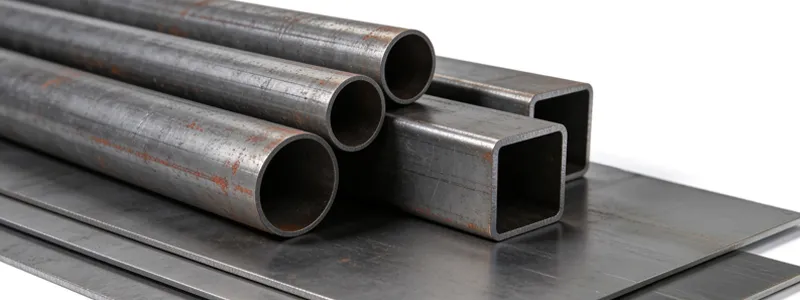
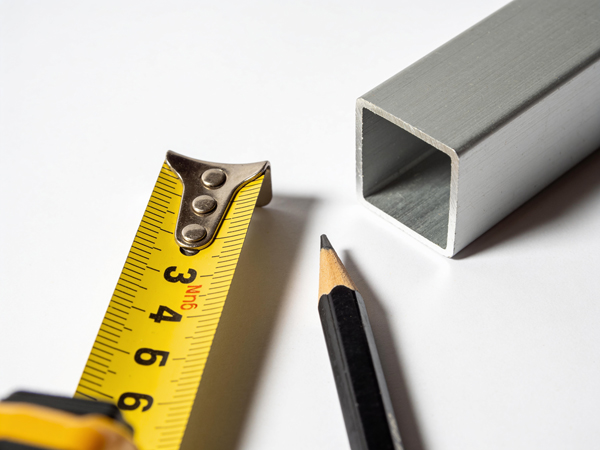
Fence or Canopy: Square Tube, Angle or Structural Sections
For most fences and canopies the frame is built from square and rectangular tube: posts, rails and frame uprights alike. Angle and structural sections (channel, I-beam) cover specific cases where either economy or serious load-bearing capacity is needed. Below we compare the three options in practice, look at which sizes suit a fence or a canopy and show how to estimate the amount of steel before buying.
Read more
Messenger WhatsApp Viber